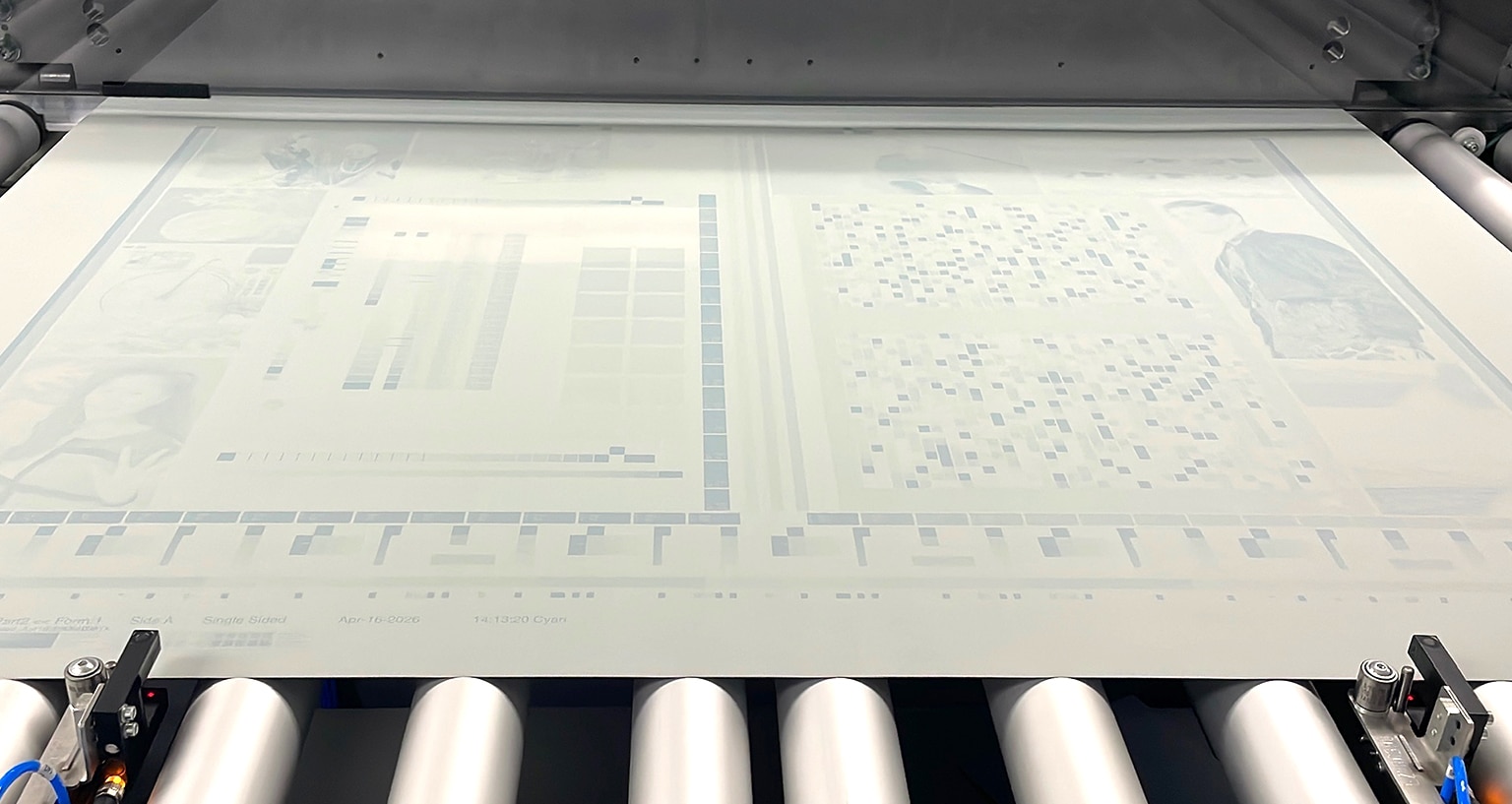
At Hemlock, environmental sustainability is a long-term commitment embedded into how we operate. This commitment continues to shape our investment in new technologies, including our transition to process-less printing plates.
After extensively testing new technologies, we have officially moved from Fuji LH-PJ2 plates to Fuji ZX DOP (develop-on-press) plates. This shift eliminates the need for traditional chemical plate processing, marking another step forward in our journey as a technology and environmental leader within the print industry. Importantly, this advancement comes at no compromise to Hemlock’s exceptional quality and integrity.
What Are Process-Less Printing Plates?
In conventional offset printing, plates go through a chemical processor after exposure to remove non-image areas from the aluminum base. This requires developers, water, energy, and ongoing maintenance, adding both environmental impact and operational complexity.
Process-less plates remove this step entirely. Once imaged, plates go directly onto the press. During the first revolutions of the press run, normal fountain solution and ink remove non-image areas from the plates.
Modernizing Hemlock’s Prepress Technology
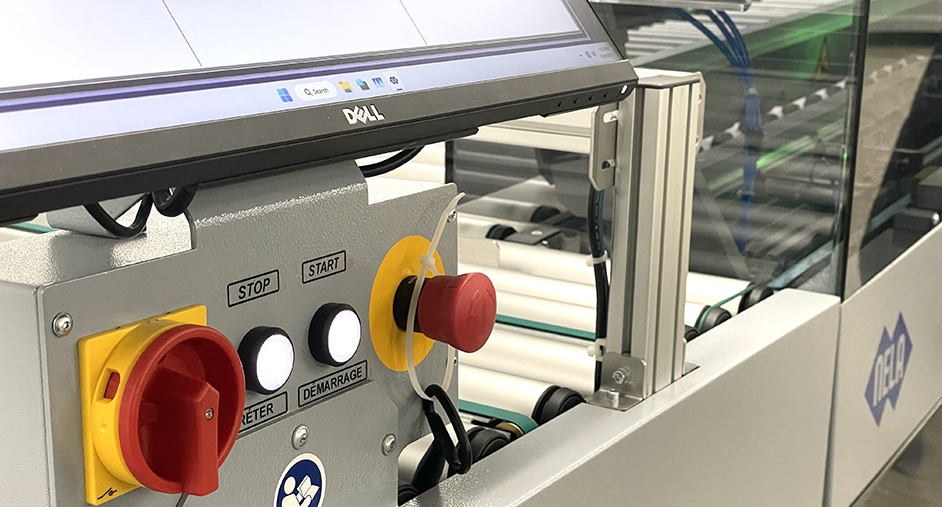
To implement this new technology, Hemlock has decommissioned its chemical plate processor and phased out legacy systems, including the Kodak Magnus and Trendsetter. In their place, we have installed a new Heidelberg SupraSetter 106 automated CTP system, paired with a Nela bender and off-load system.
Reducing Environmental Impact
The environmental benefits of process-less plate technology are immediate and measurable. By eliminating chemical processing, we significantly reduce waste and remove the need for chemical handling.
Water consumption is also reduced, as traditional plate processing relies on continuous rinsing systems. At the same time, removing large processing equipment lowers our overall energy use.
Improving Efficiency Without Compromise
The transition is not only about sustainability. It also enhances efficiency. Removing the processing step simplifies the workflow, reduces maintenance requirements, and creates an overall more efficient path from file to press.
Automated CTP technology further improves precision and reliability, ensuring that clients continue receiving the high-quality results they expect from Hemlock.
A More Connected Production Workflow
The transition to process-less plates has been made alongside other recent investments in robotics and digital automation. As we modernize our plating department, plating becomes more closely integrated with pressroom operations, creating a more connected and streamlined production environment. This shift allows our team to focus on quality, performance, and continuous improvement. Additionally, it opens opportunities for team members to transition into new roles across the business.
Leading the Future of Sustainable Offset Printing
Process-less plate technology is one of many steps Hemlock is taking to advance sustainable printing. For brands and publishers looking for a more sustainable approach, this is what progress looks like: fewer resources, less waste, and no compromise on results.

As we move toward our goal of being Zero Waste by 2030, every technological shift—no matter how technical it may seem—is a step toward a more sustainable future for the print industry.
Want to learn more about how your next project can be printed sustainably? Explore our ZERO Carbon Neutral Program or get in touch with our team today.