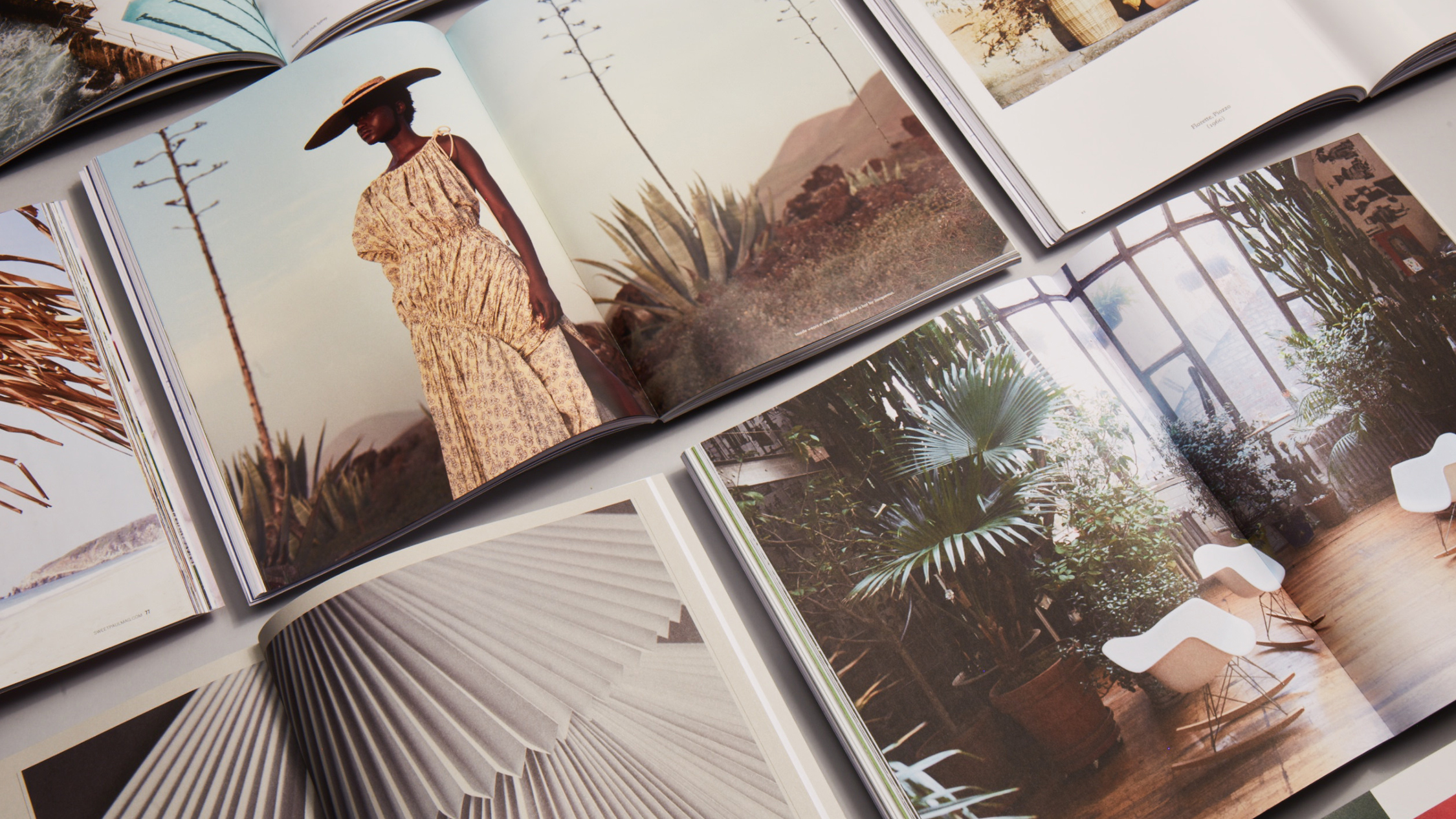
Perfect binding is one of the most widely used book binding methods for catalogues, magazines, and softcover books. When produced in-house at a printing facility, a single production workflow can manage the entire process—from folded signatures to spine preparation and trimming. This level of control helps ensure consistent quality, efficient turnaround times, and books that perform well over time.
PUR Glue over EVA Hot Glue
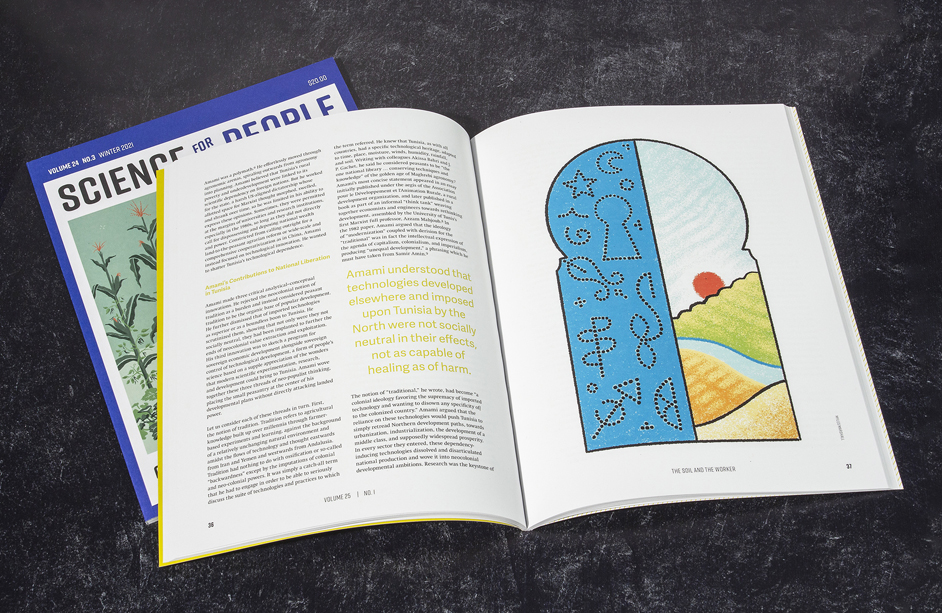
Most standard perfect-bound books are produced using EVA hot glue. While EVA works well for basic publications, it can become brittle over time and may not bond as effectively to coated papers or heavier stocks. PUR adhesive, on the other hand, offers a flexible, stronger bond.
PUR (Polyurethane Reactive) glue penetrates deeper into the paper fibers, making it a better alternative. The resulting spine is:
- – More flexible
– More durable
– Better suited for coated paper stocks
– Less likely to crack with repeated opening
As a result, for many catalogues, magazines, and branded publications, PUR binding improves long-term durability and usability.
Hinge Scoring to Prevent Cover Cracking
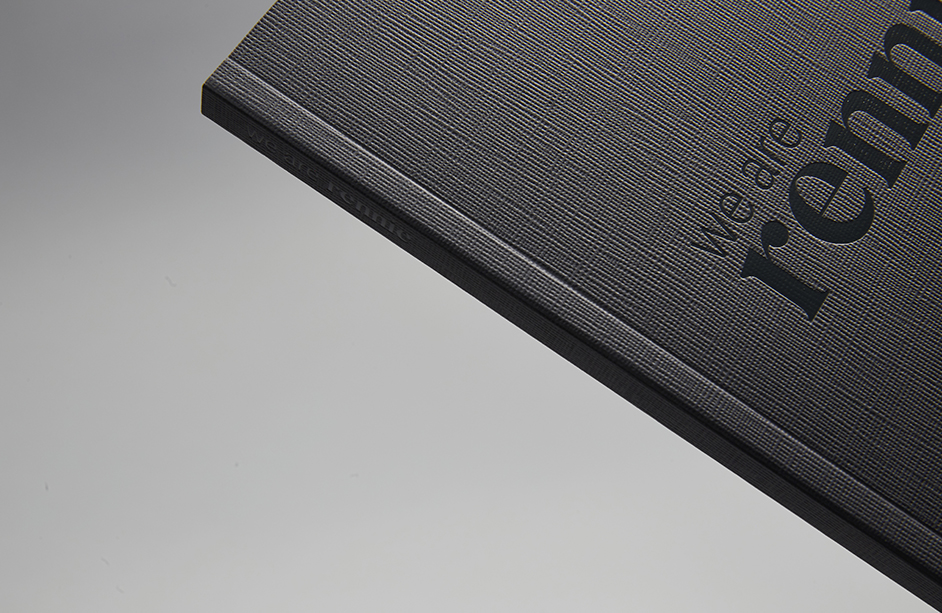
Hinge scoring is another important detail in perfect binding. Before the cover is wrapped around a book block, printers apply a crease near the spine so the cover bends properly when the book opens. Otherwise, thicker cover stocks can crack or resist opening. For heavier covers, printers may apply double hinge scoring, sometimes referred to as lay flat perfect binding. This reduces stress on the spine, thus allowing the book to open more comfortably.
Page Count and Paper Thickness for Spine Performance
Successful perfect binding depends on the relationship between:
- – Page count
- – Paper weight
- – Spine thickness
Books with too few pages may not create enough spine width for strong adhesive bonding. At the same time, extremely thick paper can increase resistance when opening the book. Balancing these factors is therefore an important part of designing a durable publication.
Our Müller Martini Alegro perfect binder expands what is possible within these constraints. Its advanced automation and precision spine preparation allow us to reliably perfect bind lower page counts than many conventional systems. This gives designers greater flexibility when developing thinner catalogues or brochures that still benefit from a clean, square spine.
The Alegro also allows extended design options—such as covers with flaps, double covers, and extended wraps—to be produced in a single pass. These capabilities provide additional creative possibilities while maintaining consistent binding performance.
Common Uses for Perfect Binding
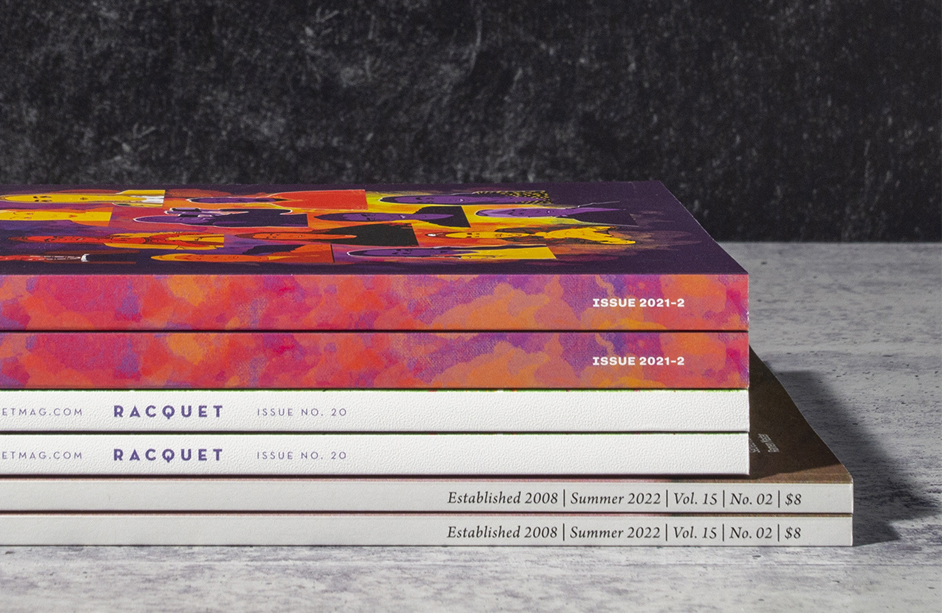
Perfect binding is widely used for:
-
- – Product catalogues
- – Brand magazines
- – Corporate publications
– Softcover books
– Retail and product guides
-
When Perfect Binding Is the Right Choice
Altogether, perfect binding is one of the most versatile book binding methods, but it is not always the best option. Saddle stitching may suit projects with lower page counts, while archival or premium books may require Smyth-sewn case binding. Choosing the right binding method ensures the final publication supports the intended design, usability, and lifespan of the printed piece.